
Maritime Accidents Safety
Maritime Accidents and Injuries: Protecting Workers at Sea
Introduction: Understanding Maritime Accidents and Injuries
Maritime work is inherently risky, with accidents ranging from falls and equipment mishaps to chemical exposure and fires. According to Maritime Injury Center, maritime accidents are often preventable; however, they remain common due to the challenging work environment. Therefore, prioritizing safety measures is essential to reduce these incidents.
Common Types of Maritime Accidents
1. Equipment Accidents
First and foremost, many accidents result from improper equipment use, lack of maintenance, or miscommunication. This includes cranes, winches, and forklifts that, if mishandled, pose serious risks to crew members.
2. Inadequate Training
Moreover, insufficient training often leads to improper equipment handling and increased accidents. Employers, therefore, must provide thorough training to ensure crew safety.
3. Falls Overboard
Falling overboard is one of the deadliest risks in maritime work, with high fatality rates. Even if workers are recovered quickly, these falls often lead to hypothermia or injuries from water impact.
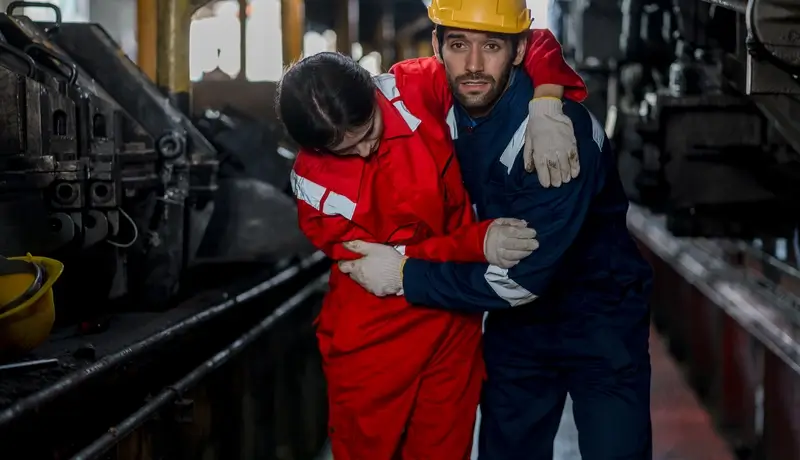
4. Chemical Exposure
Additionally, maritime workers are often exposed to hazardous chemicals. Without proper protection, these exposures can lead to burns, respiratory issues, and fire risks.
Injuries Common in Maritime Work
1. Head, Neck, and Back Injuries
Head, neck, and back injuries frequently occur due to falls, strikes from cargo, and slips. As a result, these injuries can lead to chronic issues like paralysis and pain, severely affecting workers’ lives.
2. Loss of Limbs
Severe accidents, especially those involving heavy machinery, can even result in limb loss. Not only does this impact physical capabilities, but it may also lead to PTSD and other psychological issues.
3. Repetitive Use Injuries
Because of repetitive motion on ships and in ports, workers often suffer injuries in joints, tendons, and muscles. They frequently experience pain in areas like the back, neck, and shoulders, further affecting their quality of life.
When Negligence Contributes to Maritime Accidents
Often, employer negligence plays a role in maritime accidents. For example, failure to maintain equipment, lack of proper training, and prolonged work hours without breaks contribute to unsafe conditions. By implementing preventive measures, companies can reduce these risks and ensure a safer workplace.
Conclusion
In conclusion, maritime workers face numerous risks daily. Proper safety practices, training, and adherence to regulations are essential for minimizing these hazards. By addressing potential safety issues proactively, maritime companies can help protect their employees and improve overall workplace safety.
Source: Adapted from Maritime Injury Center’s article on Maritime Accidents and Injuries.