
Painful Urination Causes
Dysuria
What Is Dysuria?
Dysuria refers to the sensation of pain, discomfort, or burning that occurs when urinating. This condition is more commonly experienced by women than men, though older men also frequently report painful urination. In people assigned male at birth (AMAB), pain after urinating may result from prostate issues or inflammation in the urethra, the tube through which urine exits the body. For those assigned female at birth (AFAB), the leading cause is usually a urinary tract infection (UTI). Therefore, understanding the specific cause can help target the right treatment.
Causes of Dysuria
Infections
UTIs are one of the primary causes of painful urination. Infections can affect any part of the urinary tract, including the:
- Kidneys
- Ureters (tubes carrying urine from the kidneys to the bladder)
- Bladder
- Urethra (tube that allows urine to exit the body from the bladder)
Most often, bacteria enter the urinary tract through the urethra and cause an infection. Factors that increase the likelihood of a UTI include:
- Being female
- Diabetes
- Advanced age
- Enlarged prostate
- Kidney stones
- Pregnancy
- Using a urinary catheter
In addition to painful urination, other common symptoms of UTIs include:
- Fever
- Cloudy, foul-smelling, or bloody urine
- Frequent urge to urinate
- Pain in the back, sides, or pelvis
Sexually transmitted infections (STIs) are another common cause of dysuria. STIs such as genital herpes, chlamydia, and gonorrhea can lead to painful urination, often accompanied by symptoms like:
- Itching or burning
- Blisters or sores (for herpes)
- Abnormal discharge
Inflammation and Irritation
A variety of issues can lead to inflammation or irritation in the urinary tract or genital area, causing pain during urination. Common causes, aside from infections, include:
- Sexual activity that irritates the urethra
- Prostatitis (prostate inflammation)
- Inflammation of the epididymis (the tube behind each testicle)
- Bladder inflammation, as in interstitial cystitis
- Menopause-related vaginal changes
- Activities such as horseback riding or biking
- Vaginal sensitivity due to scented soaps, bubble baths, douches, or spermicides
- Side effects from medications or supplements
- Urinary tract tumors
In some cases, painful urination can stem from a vaginal infection like a yeast infection, which may also cause changes in vaginal discharge and odor. Consequently, identifying whether the pain stems from an infection or irritation is essential for effective treatment.
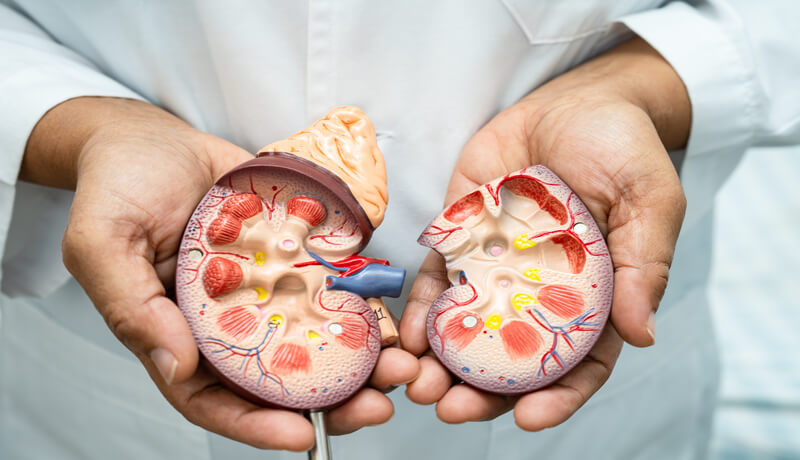
Kidney Stones
When kidney stones exit the kidney and travel through the urethra, they can sometimes get stuck, blocking urine flow and causing significant pain. While this pain is often felt in the side or back, it can also result in burning or pain during urination. Therefore, addressing kidney stones promptly is crucial to alleviate symptoms and prevent complications.
Medications
Certain medications can cause dysuria as a side effect. Prescription antibiotics like penicillin and ticarcillin, as well as cancer treatments like cyclophosphamide, may cause painful urination. Moreover, natural remedies and foods like pumpkin seeds, saw palmetto, and cantharidin (Spanish fly) can irritate the urinary tract and lead to dysuria.
Dysuria and Cystitis
Cystitis is a term for a bladder infection, and dysuria, or painful urination, is one of its main symptoms. Cystitis can be caused by bacterial infections, chemical irritants, or bladder conditions like interstitial cystitis. Thus, treating the underlying cause of cystitis often alleviates the associated dysuria.
Dysuria Symptoms
Dysuria is often described as a burning, stinging, or itching sensation when beginning or finishing urination. Additional symptoms can vary by gender:
Dysuria in Men and AMAB Individuals
In men and people AMAB, dysuria can signal prostate issues, particularly if the pain occurs after urination. The pain may also linger in the penis both before and after urination, making it essential to monitor symptoms closely and consult a healthcare provider if symptoms persist.
Dysuria in Women and AFAB Individuals
For women and people AFAB, dysuria may involve itching or soreness in the vagina, which can extend to discomfort during sexual intercourse. Other signs may include unusual vaginal odor or discharge, often indicating an infection or irritation. Additionally, symptoms that may accompany dysuria include:
- Frequent urge to urinate
- Loss of bladder control
- Lower abdominal pain
- Cloudy or foul-smelling urine
- Upper back pain
- Nausea and vomiting
- Fever and chills

Dysuria Dribbling
Dribbling refers to a form of incontinence where the bladder doesn’t completely empty, leading to urine leakage or dribbling after urination. Dribbling can be a sign of a urinary tract infection, which may also cause painful urination. Furthermore, this symptom often requires medical evaluation to determine the underlying cause.
Treatment for Dysuria
The treatment for dysuria depends on its cause, such as inflammation, infection, or other urinary tract problems. Infections are typically treated with antibiotics. For severe pain, your doctor may recommend phenazopyridine, a pain reliever specifically for burning urination, available by prescription or over the counter (e.g., AZO, Uristat). In addition, increasing water intake can support recovery by flushing out bacteria and reducing discomfort.
If a yeast infection causes dysuria, antifungal treatment (either a pill or a suppository) may be prescribed.
Using Baking Soda for Dysuria
If dysuria is mild or at the beginning stages of a bladder infection or UTI, drinking a solution of 1 teaspoon of baking soda in a glass of water two to three times a day may help soothe the bladder. The baking soda’s alkaline nature can ease bladder irritation. However, avoid this remedy if you have high blood pressure, heart disease, or if using it for extended periods, as baking soda contains high sodium levels.
Additional Remedies for Dysuria
Other ways to ease the pain of dysuria include:
- Avoiding alcohol, caffeine, and acidic or carbonated drinks, which can irritate the bladder lining.
- Using a heating pad or hot water bottle on the lower back.
- Getting plenty of rest to support the body’s recovery.
- Contacting your doctor if symptoms persist for more than 2 to 3 days.
Preventing Dysuria
Some steps to reduce the risk of dysuria include:
- Drinking multiple glasses of water daily to flush out the urinary tract and lower infection risk.
- For women and people AFAB, wiping from front to back to prevent bacteria from entering the urinary tract.
- Changing tampons frequently to maintain hygiene.
- Avoiding harsh soaps, douches, and vaginal sprays in the genital area.
- Limiting bubble baths and prolonged time in wet swimsuits, which can cause irritation.
- Urinating after sex to reduce bacteria buildup in the bladder.
- Practicing safe sex by using condoms, especially with multiple partners, to prevent STIs that can cause dysuria.
Seeing a Doctor for Dysuria
If you’re pregnant, it’s especially important to contact your doctor immediately if you experience pain when urinating, as UTIs can lead to pregnancy complications. For others, contact your doctor if pain persists, if there’s an unusual discharge, foul-smelling urine, or urine that appears cloudy, bloody, or pus-filled. Also, see your doctor if you have accompanying symptoms like fever, back pain, or side pain.
Your doctor may take a full medical history, conduct a physical exam, and order lab tests to diagnose the cause of your dysuria. During the appointment, they may ask questions like whether your painful urination began suddenly or gradually, how often it occurs, and if you’ve noticed changes in urine color or quantity.
Takeaways
Dysuria is pain or discomfort when urinating, often caused by infections in the urinary tract, bladder, or kidneys. Symptoms can include an urge to urinate, frequent urination, blood in the urine, pain in the lower abdomen or back, fever, chills, nausea, and vomiting, as well as vaginal discharge and pain during intercourse. Most cases of dysuria respond well to appropriate treatment once the underlying cause is identified.
Frequently Asked Questions (FAQs) about Dysuria
- What is the main cause of dysuria?
The most common cause of dysuria is a urinary tract infection (UTI). Other possible causes include vaginal infections, prostate problems, urethritis, endometriosis, and cancer. - Are dysuria and UTI the same?
No, dysuria is a symptom of a UTI, but it can also be a symptom of other conditions. - How can I get rid of dysuria?
If dysuria is caused by an irritant, avoiding it may relieve symptoms. Infections generally require antibiotics. If dysuria is due to a bladder or prostate condition, treating the underlying issue is necessary. - Is dysuria an STD?
No, dysuria is a symptom of some STDs, including chlamydia, genital herpes, and gonorrhea, but it is not an STD itself. - Can dysuria cause pain in the morning?
Yes, dysuria can cause pain, stinging, or burning any time you urinate, including in the morning.
Request your Appointment by clicking on the picture below.