
Tonsillitis symptoms relief
Tonsillitis: Symptoms, Causes, and Treatments
Tonsillitis occurs when the tonsils, two small glands on either side of the throat, become infected. These glands are part of the lymphatic system, which fights infections. While children commonly get tonsillitis, teenagers and adults can also develop this infection. Understanding the symptoms, causes, and treatments helps manage this condition effectively.
Recognizing the Symptoms of Tonsillitis
Tonsillitis can feel like a severe cold or flu, with the tonsils appearing red and swollen. The condition may vary in severity, but common symptoms include:
- Sore throat – pain in the throat, especially when swallowing
- Difficulty swallowing – discomfort or pain while trying to eat or drink
- High fever – temperatures above 38°C (100.4°F)
- Coughing – dry or productive coughs may accompany the infection
- Headache – pressure or throbbing, especially around the temples and forehead
- Nausea and vomiting – common, particularly in children
- Earache – pain radiating to the ears
- Fatigue – feeling tired or unwell
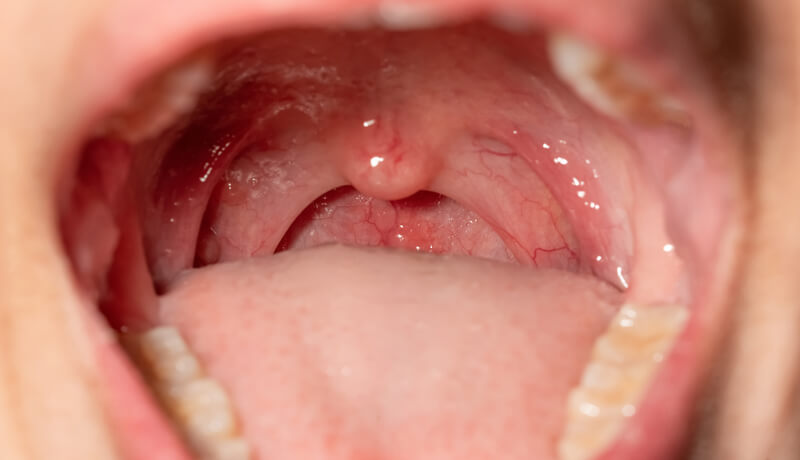
Sometimes, additional symptoms may occur, such as:
- Swollen, painful glands in the neck (feels like a lump on the side of the neck)
- White patches or pus-filled spots on the tonsils
- Bad breath – due to bacteria buildup on the tonsils
How Long Does Tonsillitis Last?
Symptoms of tonsillitis usually last between three to four days but can persist longer. Although tonsillitis itself is not contagious, the infections that cause it, such as colds and flu, spread easily.
Preventing the Spread of Infection
To minimize the spread of infections that cause tonsillitis:
- If you or your child have a high temperature or feel unwell, stay at home and limit contact with others.
- Cover your mouth and nose when coughing or sneezing, ideally with a tissue.
- Dispose of tissues immediately and wash your hands frequently to prevent spreading germs.
Home Remedies for Tonsillitis Relief
Tonsillitis often resolves without medical intervention. To help ease symptoms at home, try the following:
- Rest – get plenty of sleep and avoid strenuous activities.
- Stay hydrated – drink cool or warm fluids to soothe the throat.
- Use over-the-counter pain relievers – paracetamol or ibuprofen can relieve pain and reduce fever (do not give aspirin to children under 16).
- Gargle with warm, salty water – adults can do this to reduce swelling and pain, though young children should avoid it.
Consulting a Pharmacist for Tonsillitis
A pharmacist can provide advice on managing tonsillitis and may recommend treatments such as:
- Lozenges – containing a local anesthetic, antiseptic, or anti-inflammatory ingredients to soothe throat pain.
- Throat sprays – though these may provide temporary relief, evidence on their effectiveness is limited.
- Antiseptic solutions – some rinses may reduce bacteria and provide comfort.
When to See a GP for Tonsillitis
In most cases, a doctor can diagnose tonsillitis based on symptoms and a physical examination. The doctor will look at the throat to assess swelling, redness, and any white patches on the tonsils.
In certain cases, a doctor may perform additional tests:
- Throat swab – they may use a swab to identify if bacteria are the cause by taking a sample from the back of the throat.
- Blood test – if symptoms persist or are severe, they may order a blood test to check for glandular fever (infectious mononucleosis).
Treatment Options from a GP
The doctor will choose a treatment approach based on the cause of tonsillitis:
- Viral tonsillitis – most cases are viral, and these typically resolve without antibiotics.
- Bacterial tonsillitis – if bacteria (such as strep throat) are responsible, a GP may prescribe antibiotics after confirming through tests.

Understanding the Causes of Tonsillitis
Viral infections, such as those causing colds and flu, are the most common causes of tonsillitis. However, bacterial infections like streptococcal bacteria (strep throat) may also lead to tonsillitis.
Complications of Tonsillitis: Quinsy
Complications from tonsillitis are rare but may occur. One serious complication is quinsy, an abscess that forms between the tonsils and the throat wall. Quinsy can cause severe pain, difficulty opening the mouth, and swallowing issues. Treating it usually involves draining the abscess and may require antibiotics.
Conclusion
Tonsillitis is a common infection that you can often manage at home with rest and supportive care. However, closely monitor symptoms, especially if they worsen or persist. Consult a healthcare professional if necessary to ensure effective treatment and recovery.
Request your Appointment by clicking on the picture below.