
Maritime Personal Protective Equipment
Source: Sea Technology Magazine
Understanding the Need for PPE
Marine workers face numerous risks, including exposure to harsh weather, chemical spills, and potential accidents on board. Therefore, Personal Protective Equipment (PPE) is essential for safeguarding their health and safety. In light of these challenges, this article will discuss not only the importance of PPE but also its various types and best practices for maritime operations.
Essential Types of PPE for Maritime Workers
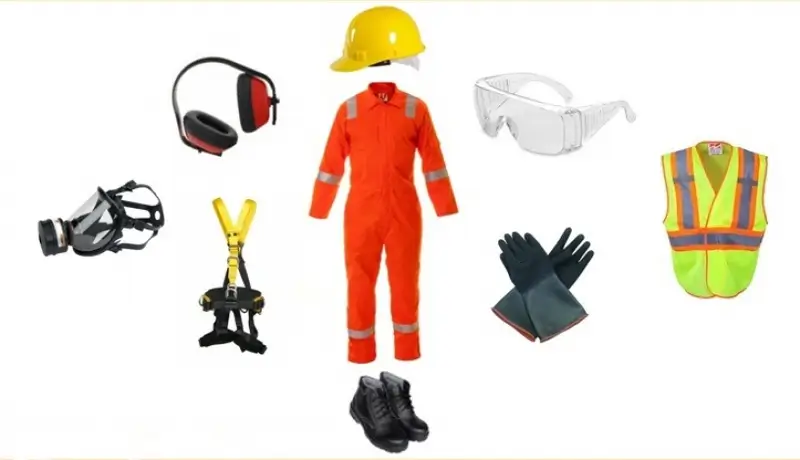
Each task in the maritime industry presents unique hazards; thus, it is crucial to select specific types of PPE tailored to these risks. Commonly used equipment includes:
- Helmets: These protect against head injuries from falling objects, which is critical for worker safety.
- Gloves: They shield hands from chemicals, heat, and sharp tools, thereby preventing serious injuries.
- Coveralls: These provide full-body protection against hazardous materials, ensuring workers are safe from spills.
- Footwear: Steel-toed and non-slip shoes ensure foot safety in slippery conditions and protect against heavy objects.
- Eye Protection: Safety goggles protect against chemical splashes and flying debris, which can cause serious injuries.
- Hearing Protection: Ear muffs help prevent hearing loss in noisy environments, which is essential for long-term health.
Selecting the Right PPE
When choosing PPE, it is important to consider several factors to ensure optimal protection:
- Type and Level of Protection: Assess specific hazards to determine necessary equipment and their effectiveness.
- Functionality: Ensure the gear meets operational requirements for safety and efficiency in various tasks.
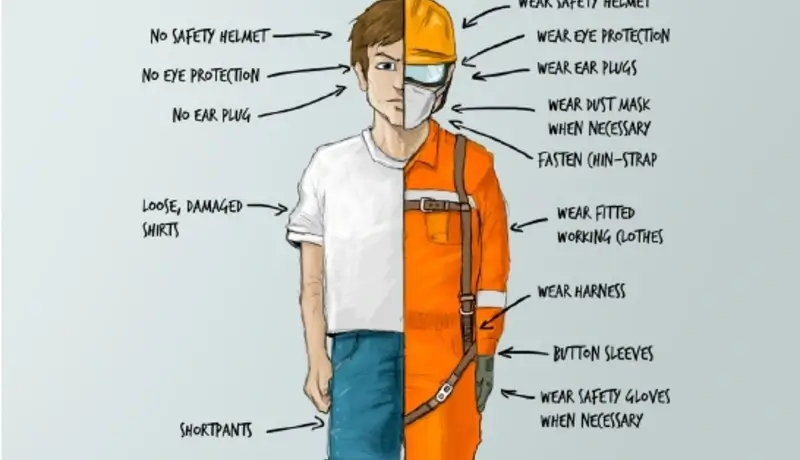
- Fit and Comfort: Properly fitting equipment enhances safety and comfort during work, which can significantly improve overall performance.
- Material Durability: Choose materials that can withstand harsh marine environments over time to ensure reliability.
- Ergonomic Design: Select designs that minimize fatigue and allow for ease of movement, thereby promoting worker efficiency.
Training and Maintenance for PPE
Moreover, proper training in the use of PPE is vital. Workers should understand how to use each piece of equipment correctly to maximize its protective benefits. In addition, regular maintenance and inspections are essential to ensure that equipment remains effective and safe. According to Sea Technology, companies must provide their workers with high-quality PPE and adequate training to use it effectively.