
Physical exam overview
Physical Exam: What to Expect and Why It’s Important
A physical exam is a comprehensive evaluation of your overall health, typically performed by a primary care provider such as a doctor, nurse practitioner, or physician assistant. The goal of a physical exam is to assess your general well-being, identify any potential health issues, and provide preventive care recommendations to help you maintain or improve your health. Even if you feel healthy, regular physical exams are essential for preventing illness and detecting issues early.
Other common terms for a physical exam include:
- Wellness check.
- Annual checkup.
- Preventive care visit.
- Routine physical exam.
- Pre-employment physical exam.

Why Do You Need a Physical Examinanation?
A physical exam serves several important purposes:
- To assess your overall health and well-being.
- To provide recommendations on maintaining or improving your health.
- To screen for underlying conditions or address symptoms you may be experiencing.
- To update your immunizations or vaccines.
- To answer any health questions you may have.
- To verify that you are healthy enough for work (for pre-employment physicals) or participation in sports (for sports physicals).
Physical exams are a key part of preventive healthcare, and they can help detect conditions before they become more serious. By identifying potential health issues early, you and your healthcare provider can take steps to prevent complications or improve your quality of life.
How Often Should You Get a Physical Exam?
Most healthcare providers recommend having a physical exam annually to maintain your health. However, depending on your medical history, lifestyle, and specific health concerns, your provider may suggest more frequent visits.
What Happens During a Physical Exam?
During a physical exam, your healthcare provider will evaluate several aspects of your health. The following is typically included in a routine physical exam:
- Vital signs: This includes measuring your height, weight, blood pressure, heart rate, and respiratory rate.
- Medical history review: Your provider will ask about your past medical conditions, surgical history, family history, and current medications or supplements.
- Physical assessment: Using different techniques, your provider will assess the function of various organs and systems in your body.
Techniques used during the exam may include:
- Auscultation: Listening to your heart, lungs, and other internal organs using a stethoscope.
- Inspection: Visually examining different areas of your body to identify any abnormalities or changes in appearance.
- Palpation: Gently pressing or feeling certain areas of your body (such as your abdomen, lymph nodes, or muscles) to detect tenderness, swelling, or other abnormalities.
- Percussion: Tapping specific areas of your body to assess the condition of underlying tissues or organs.
During the physical exam, your provider will assess your:
- Skin, looking for rashes, unusual moles, or changes in texture.
- Eyes and ears, checking for vision and hearing changes or abnormalities.
- Nose and mouth, evaluating for signs of infection or other issues.
- Heart and lungs, listening for irregularities in rhythm, rate, or sounds.
- Abdomen, checking the size and location of organs, and assessing for tenderness or swelling.
- Feet, checking circulation and skin condition.
- Nervous system, testing your reflexes, balance, and coordination.
- Mental health, discussing your emotional well-being and stress levels.
Additional Exams for Specific Groups
- For men (or those assigned male at birth), your provider may perform a genital and prostate exam to screen for prostate issues or testicular abnormalities.
- For women (or those assigned female at birth), your provider may perform a breast exam to screen for lumps or abnormalities, and if appropriate, a pelvic exam to check for gynecological issues.
What to Bring to Your Physical Exam
To make the most of your physical exam, come prepared with the following information:
- A list of medications or supplements you currently take, and any prescriptions that need refilling.
- A record of your medical and surgical history.
- Allergies and details about any allergic reactions.
- Descriptions of symptoms you’re experiencing, including their frequency, duration, and severity.
- Results from prior tests or lab work.
- Names and contact information for any specialists or other healthcare providers you see.
- For sports or pre-employment physicals, any necessary paperwork for your provider to sign.
What to Expect After Your Physical Exam
Once your exam is complete, your healthcare provider will review the results with you. They may provide recommendations for maintaining or improving your health, suggest additional tests or screenings, or refer you to a specialist if necessary. Your provider will also discuss any concerns they identified during the exam and offer guidance on managing those issues.
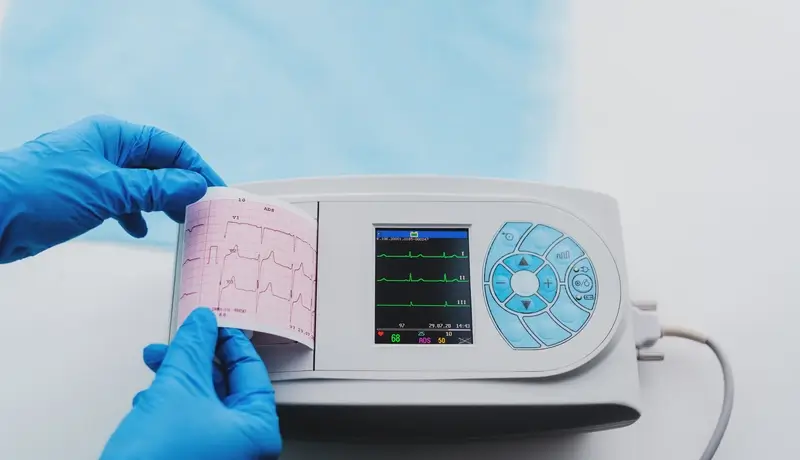
If additional tests are required (such as blood work, an X-ray, or an electrocardiogram), your provider will arrange for those tests and schedule a follow-up appointment if needed. Results from your exam may include:
- Confirmation that you are in good health.
- Identification of health risks or conditions that require further investigation.
- Recommendations for lifestyle changes, such as exercise, diet, or quitting smoking.
Special Types of Physical Exams
A sports physical exam focuses on assessing whether you’re healthy enough to participate in physical activities. It includes a review of your medical history, vital signs, and an evaluation of your muscle and bone health, as well as your flexibility, strength, and coordination.
A pre-employment physical exam is often required to determine if you’re physically capable of performing the duties of a specific job. This exam focuses on your overall health, but may also include specific assessments depending on the requirements of the job (such as drug testing or vision exams).
What is the Duration of a Physical Exam?
A standard physical exam typically lasts about 30 minutes, depending on the complexity of your health and any additional concerns that need to be addressed.

When to Contact Your Doctor
It’s important to reach out to your healthcare provider if you:
- Have new or worsening symptoms since your last exam.
- Notice changes in your body, such as a lump or skin changes.
- Have questions about your test results or overall health.
Conclusion: The Importance of Regular Physical Exams
A physical exam is a critical component of preventive healthcare. Regular checkups help ensure that you are on track to maintaining or improving your health, and they offer an opportunity to detect any potential issues before they become serious. By preparing for your appointment, staying informed, and following your provider’s advice, you can take control of your health and enjoy a better quality of life.
Request your Appointment by clicking on the picture below.