
Throat Culture Test
A throat culture is a simple, quick, and painless diagnostic test that helps detect infections in the throat. Healthcare providers often recommend it when you experience symptoms like a sore throat, fever, or swollen lymph nodes. This test reveals bacterial infections, such as Streptococcus (strep throat), or fungal infections like thrush. Typically, you receive the results within 2 to 7 days, allowing for effective treatment that usually includes antibiotics and nonsteroidal anti-inflammatory drugs (NSAIDs).
What is a Throat Culture?
A throat culture, also called a throat swab culture, helps identify harmful microorganisms such as bacteria and fungi present in the throat. It allows healthcare providers to diagnose infections accurately and ensure appropriate treatment promptly.
How is a Throat Culture Performed?
To perform the test, the provider uses a sterile cotton swab to collect a sample of cells from the back of your throat. This procedure causes minimal discomfort; however, some individuals may briefly feel a gagging or tickling sensation. The provider then sends the sample to a laboratory, where a technician uses chemicals to cultivate and identify any bacteria or fungi present.
Steps Involved in a Throat Culture:
- You will be asked to tilt your head back and open your mouth wide.
- The provider may use a tongue depressor to get a clear view of the throat.
- Next, they gently rub a cotton swab along the back of your throat and tonsils.
- They place the swab into a sterile container and send it for analysis.
In some cases, the provider might use a throat washout technique. They will ask you to gargle saltwater and spit it into a container, which provides a larger sample for analysis.
When is a Throat Culture Recommended?
Providers often perform throat cultures when patients present symptoms of pharyngitis or a sore throat. This test helps determine whether the cause is viral, bacterial, or fungal. For example, Group A Streptococcus bacteria often lead to strep throat, a condition that requires antibiotics.
Common Symptoms Leading to a Throat Culture:
- Sore throat with difficulty swallowing
- Fever and abdominal pain
- Headache and loss of appetite
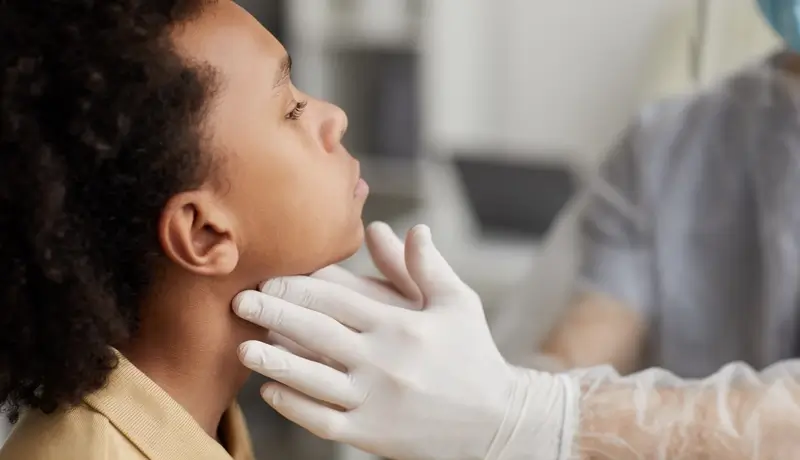
- Swollen lymph nodes and tonsils
- Red spots on the roof of the mouth (petechiae)
Additionally, if you have a skin rash and a swollen tongue, the provider might suspect scarlet fever. On the other hand, if the sore throat comes with a cough, hoarseness, pink eye (conjunctivitis), or runny nose, it is likely due to a virus rather than bacteria or fungi.
What Can a Throat Culture Diagnose?
Throat cultures are versatile diagnostic tools that detect various bacterial and fungal infections, including:
- Strep throat (bacterial tonsillitis)
- Diphtheria
- Gonorrhea
- Thrush
- Rheumatic fever or scarlet fever
- Whooping cough (pertussis)
Preparing for a Throat Culture
Before the procedure, your healthcare provider explains what to expect. If you’ve recently taken antibiotics or used mouthwash, make sure to inform them, as these can affect the test results.
If your child is undergoing the test, you may need to assist by keeping them still during the procedure. Sitting them on your lap or holding their hand provides comfort and helps the process go smoothly.
What Happens After a Throat Culture?
Once the sample reaches the lab, a technician places it onto a plate or into a sterile container. They then introduce specific chemicals to encourage the growth of bacteria or fungi. This process usually takes about two days for bacteria and up to seven days for fungi.
Interpreting Throat Culture Results:
- Negative Result: No bacteria or fungi grow, suggesting a viral infection or other non-infectious cause.
- Positive Result: Bacteria or fungi grow, allowing the provider to identify the specific pathogen and create an effective treatment plan.
Treatment Options Following a Positive Throat Culture
When the test confirms a bacterial infection like strep throat, providers usually prescribe antibiotics. For fungal infections such as thrush, antifungal medications are often necessary. NSAIDs can also help alleviate pain and other symptoms associated with the infection.
When is a Rapid Strep Test Used?
If the provider suspects strep throat, they might opt for a rapid strep test. This test provides results in about 20 minutes. A positive rapid strep test confirms a bacterial infection, allowing the provider to start antibiotic treatment immediately. If the rapid test is negative, they may still perform a throat culture to verify the result since throat cultures are more comprehensive.
Advantages of a Throat Culture
Throat cultures are safe, reliable, and effective diagnostic tools. They:
- Accurately identify bacterial or fungal infections.
- Are quick and painless.
- Provide detailed information to guide appropriate treatment.
Are There Any Risks Associated with a Throat Culture?
There are no known risks or complications associated with a throat culture. However, individuals with acute swelling of the epiglottis (acute epiglottitis) should avoid this test, as it could exacerbate breathing difficulties.
Recovery Time After a Throat Culture
There is no recovery time needed after a throat culture. You can resume normal activities, including eating, drinking, and speaking, immediately after the procedure.
When Should You Contact Your Healthcare Provider?
It’s important to contact your healthcare provider if symptoms persist or worsen after the test. Seek medical attention if you experience any of the following:
- Severe difficulty swallowing.
- A new or worsening fever.
- Fever accompanied by a severe headache or neck pain.
- Persistent or worsening throat pain on one side.
Getting a throat culture helps determine whether a bacterial or fungal infection is causing your symptoms. The test is painless and quick, taking only a few minutes to complete. Results typically take 2 to 7 days, guiding your healthcare provider to prescribe the most effective treatment, including antibiotics or other medications, to help you recover swiftly.
Request your appointment by clicking on the picture below.