
Maritime Workers and AML Leukemia: Understanding the Risks and Legal Rights
Source: Jones Act Blog
Introduction
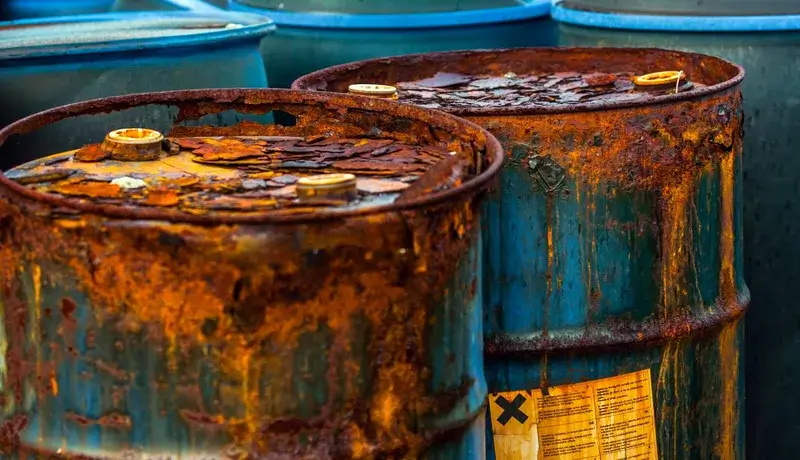
Maritime workers are frequently exposed to various hazardous chemicals during their duties. Notably, prolonged exposure to substances such as benzene, toluene, xylene, and hydrocarbons can lead to serious health issues, including Acute Myeloid Leukemia (AML). Therefore, understanding these risks and the legal protections available is crucial for those in the maritime industry.
Common Hazardous Chemicals in the Maritime Industry
Maritime workers may encounter several toxic chemicals that present significant health risks. Specifically, these include:
- Benzene: Found in fuels and solvents, benzene exposure is a well-known risk factor for AML.
- Toluene: Commonly used in paint thinners and adhesives, toluene exposure can lead to severe health complications.
- Xylene: Present in varnishes and paints, xylene exposure poses various health risks, especially when inhaled frequently.
- Hydrocarbons: Typically found in crude oil and its derivatives, hydrocarbons are harmful with prolonged exposure.
Health Risks Associated with Chemical Exposure
Exposure to these chemicals can lead to various health issues. Specifically, the risks include:
- Acute Myeloid Leukemia (AML): This aggressive cancer affects the blood and bone marrow, progressing rapidly and requiring immediate treatment.
- Aplastic Anemia: A condition where the bone marrow fails to produce enough blood cells, leading to fatigue and a higher risk of infections.
- Immune System Damage: As a result, workers exposed to these chemicals may face increased susceptibility to infections and other illnesses.
Recognizing Symptoms of AML Leukemia
Early detection of AML is vital to ensure prompt treatment. Common symptoms include:
- Fatigue and weakness
- Frequent infections
- Easy bruising or bleeding
- Shortness of breath
- Pale skin
- Unexplained weight loss
If you experience any of these symptoms, especially after prolonged chemical exposure, it is essential to seek medical attention promptly.
Legal Rights Under the Jones Act
Importantly, the Jones Act provides protection to seamen who suffer injuries or illnesses due to employer negligence. Therefore, if a maritime worker develops AML leukemia from chemical exposure, they may be entitled to compensation covering:
- Medical expenses for all related treatments
- Lost wages due to inability to work
- Pain and suffering for both physical and emotional distress
For these reasons, consulting with a maritime injury attorney is essential to fully understand and navigate these legal rights effectively.
Preventive Measures for Maritime Workers
To minimize the risk of chemical exposure, maritime workers should always take the following precautions:
- Use appropriate personal protective equipment (PPE), such as gloves and masks, to avoid direct contact with hazardous substances.
- Ensure proper ventilation in work areas, as this helps disperse potentially harmful vapors and lowers the risk of inhalation.
- Follow all safety protocols when handling hazardous materials to prevent accidental exposure.
- Attend regular safety training sessions, as these provide the latest guidance on minimizing exposure risks.
Additionally, employers are responsible for providing a safe working environment. For example, they must supply essential safety equipment and ensure workers are informed of proper handling practices. Furthermore, they must maintain equipment and working conditions to meet safety standards, as this significantly reduces the likelihood of accidental exposure.