
Cellulitis skin infection
Cellulitis: Causes, Symptoms, and Treatment
Cellulitis is a common bacterial skin infection that requires prompt treatment. While cellulitis is typically treated with antibiotics, it can become serious if left untreated, potentially spreading to deeper tissues and causing complications. Early recognition and treatment are crucial for a full recovery.
Understanding Cellulitis Symptoms
Cellulitis usually presents with distinct symptoms, including:
- Painful, hot, and swollen skin – The affected area often feels tender and warm to the touch.
- Redness – On lighter skin, the area may appear red. For brown and black skin, redness might be less noticeable, but you may still feel the warmth and swelling.
- Blisters – In some cases, small blisters may develop over the affected area.
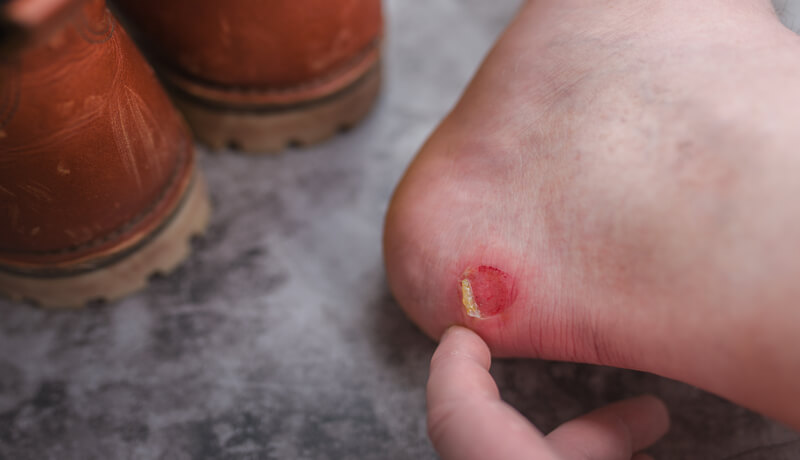
Alongside these skin changes, cellulitis can cause flu-like symptoms such as:
- Fever – High temperature that may fluctuate.
- Swollen, painful glands – Often around the neck or armpits.
- Feeling unwell – General fatigue and body aches.
While cellulitis can occur on any part of the body, it is most commonly found on the lower legs.
Causes of Cellulitis
Cellulitis is primarily caused by bacterial infections that penetrate the skin. The bacteria can enter through breaks in the skin, which may be due to:
- Insect bites – Mosquitoes, ticks, and other insects can cause tiny breaks in the skin.
- Scratches or cuts – Minor injuries, often unnoticed, can allow bacteria to enter.
- Dry, cracked skin – This may occur due to conditions like eczema or very dry skin.
It’s important to note that cellulitis is not contagious, as the infection affects the deeper layers of skin.
Who is at Risk for Cellulitis?
Certain factors can increase the risk of developing cellulitis, including:
- Poor circulation – This may be due to obesity or sedentary lifestyles, especially in the legs and feet.
- Weakened immune system – Conditions such as diabetes, chemotherapy, or chronic illness may lower immunity.
- Lymphoedema – A condition that causes fluid to build up, leading to swelling under the skin.
- Intravenous drug use – Injecting drugs can introduce bacteria directly into the body.
- Recent surgery or wounds – Surgical wounds or cuts may become sites of infection.
People who have had cellulitis previously are at higher risk of recurrent infections and should take preventive steps.
Treatment Options for Cellulitis
A GP will assess the severity of cellulitis and may prescribe antibiotics to treat the infection. Treatment options include:
- Antibiotic tablets – Usually prescribed for a mild case affecting a small area of skin. The typical course lasts about one week.
- Hospital treatment – In cases of severe cellulitis, you may be referred to a hospital for intravenous antibiotics.
In the first 48 hours after starting antibiotics, symptoms might worsen slightly before they begin to improve. Contact your GP if you do not notice any improvement within 2 to 3 days of starting treatment. Complete the entire course of antibiotics, even if you feel better, to prevent recurrence.

Managing Recurring Cellulitis
If cellulitis keeps returning, a GP may recommend low-dose, long-term antibiotics to help prevent future infections. They might also advise lifestyle changes or specific treatments for underlying skin conditions to reduce recurrence risk.
Self-Care and Recovery Tips for Cellulitis
In addition to antibiotics, you can aid your recovery by:
- Taking pain relievers – Paracetamol or ibuprofen can help manage pain and reduce fever.
- Elevating the affected area – If cellulitis affects your leg or arm, rest it on a pillow or chair to reduce swelling.
- Staying hydrated – Drinking plenty of fluids helps maintain skin hydration and supports the immune system.
- Moving regularly – Gently moving the joint near the infected area (like your ankle or wrist) can prevent stiffness.
Avoid Compression Stockings
It’s best not to wear compression stockings until the cellulitis has healed, as they may irritate the affected area and worsen symptoms.
Preventing Cellulitis
While not all cases of cellulitis are preventable, you can reduce your risk with these simple steps:
- Keep your skin clean and moisturized – Regularly wash and moisturize your skin to keep it healthy.
- Clean cuts and wounds – Use warm water, soap, and antiseptic cream on any breaks in the skin.
- Wear protective clothing – When working outside or in rough environments, wear gloves and proper footwear to avoid injuries.
- Get prompt treatment for skin conditions – Address issues like eczema, athlete’s foot, or scabies to reduce skin vulnerability.
Possible Complications of Cellulitis
If left untreated, cellulitis can spread to other parts of the body, causing complications such as:
- Bloodstream infections – Bacteria may enter the bloodstream, leading to sepsis.
- Bone infections (osteomyelitis) – Infection can spread to the bones if it worsens.
- Muscle infections – Severe cases may affect muscles and deeper tissues.
Conclusion
Cellulitis is a serious infection that can become severe if not treated quickly. By recognizing symptoms and seeking early treatment, most people can make a full recovery within a week. Talk to your GP if you suspect cellulitis, and follow their instructions carefully to prevent recurrence.
Request your Appointment by clicking on the picture below.