
Impetigo skin infection
Impetigo: Symptoms, Causes, and Treatment
Impetigo is a common, highly contagious bacterial skin infection, most frequently affecting young children but also seen in adults. Although impetigo is not usually serious, timely treatment is important to prevent the infection from spreading. With proper care, impetigo generally improves within a few days.
Recognizing the Symptoms of Impetigo
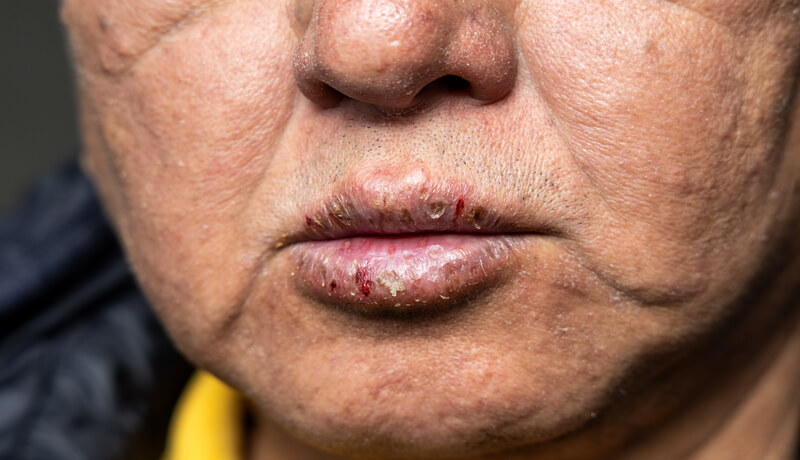
Impetigo typically begins with red sores or blisters that may be harder to spot on brown and black skin. These sores or blisters often:
- Quickly burst, leaving behind crusty, golden-brown patches.
- Resemble cornflakes stuck to the skin due to their crusty texture.
- Spread to other areas of the body, especially with skin-to-skin contact.
- Feel itchy and sometimes painful.
The sores are usually found around the nose, mouth, and hands, but they can appear anywhere on the body.
Types of Impetigo
There are two main types of impetigo:
- Non-bullous impetigo – The more common form, which involves smaller, red sores that quickly burst, leaving yellowish-brown crusts.
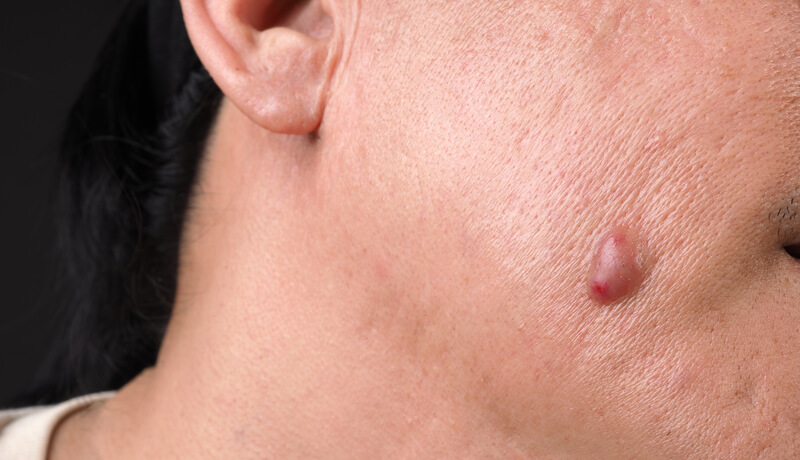
- Bullous impetigo – Less common, this type causes larger blisters filled with fluid that may take longer to burst.
When to See a GP or Pharmacist
A GP or pharmacist can help confirm if you have impetigo and rule out more serious skin infections, like cellulitis. They may check the affected skin and determine the right treatment based on the severity of the infection.
Treatment Options for Impetigo
Treatment for impetigo usually involves topical creams or antibiotics prescribed by a GP:
- Hydrogen peroxide cream – used if the infection is confined to one area of the skin.
- Antibiotic cream or tablets – for more widespread cases to speed recovery.
- Antibiotic tablets – often prescribed for bullous impetigo or for individuals with a weakened immune system to prevent complications.
If Impetigo Keeps Returning
Recurrent impetigo may require further investigation. In this case, a GP may take a swab from your skin or inside your nose to identify the specific bacteria causing the infection. They may recommend an antiseptic body wash, nasal ointment, or both to help clear the bacteria and prevent future recurrences.
Preventing the Spread of Impetigo
Impetigo is highly contagious and can spread through direct contact with infected skin or contact with contaminated items like towels, bedding, and clothing. To reduce the risk of spreading impetigo:
-
- Avoid touching the sores and cover them if possible.
- Wash your hands frequently, especially after touching the infected area.
- Avoid sharing personal items such as towels and razors.
- Change and wash bedding and towels regularly to reduce contamination.
When Impetigo is No Longer Contagious
Impetigo stops being contagious:
- 48 hours after starting prescribed hydrogen peroxide cream or antibiotics.
- Once the patches have dried out and crusted over, if left untreated.
Preventing Impetigo
Impetigo typically infects skin that is already damaged. Taking steps to protect the skin can help prevent infection:
- Keep cuts, scratches, and insect bites clean by washing with warm water and soap.
- Use antiseptic ointments on minor skin injuries to reduce the risk of infection.
- If you have skin conditions like eczema or scabies, seek treatment to manage these conditions and reduce vulnerability to impetigo.
Is Impetigo Dangerous?
Although impetigo is usually a mild infection, it can occasionally cause complications if untreated or in cases involving young children, older adults, or those with weakened immune systems. Potential complications include:
- Cellulitis – a more severe skin infection that affects deeper layers of skin.
- Kidney inflammation (post-streptococcal glomerulonephritis) – a rare condition that can occur after an infection with certain strains of streptococcus bacteria.
Conclusion
Impetigo is a highly contagious skin infection that usually responds well to treatment. By recognizing the symptoms and seeking early treatment, you can manage the infection effectively and prevent it from spreading. Always consult a healthcare professional for a proper diagnosis and treatment plan if you suspect impetigo.
Request your Appointment by clicking on the picture below.